Why My Body Finally Balanced Itself — A Real TCM Journey You Can Feel
For years, I felt off — tired, moody, and never quite ill enough to see a doctor, yet never truly well. Lab tests came back "normal," but something was missing. Then I tried traditional Chinese medicine (TCM) adjustment, not as a quick fix, but as a way to listen to my body’s quiet signals. What changed weren’t just symptoms — it was how I understood health itself. This is what actually shifted, and how you might feel it too.
The Invisible Exhaustion: When "Normal" Isn’t Well
Many women between 30 and 55 live with a kind of low-grade discomfort that rarely shows up on a lab report. It’s not illness in the medical sense, but it’s not wellness either. You wake up without energy, even after eight hours of sleep. Your digestion feels unpredictable — bloating after meals, occasional constipation, or sudden sensitivity to foods you once tolerated. Moods shift like weather, sometimes for no clear reason. You carry the weight of daily responsibilities, but your body whispers that it’s struggling to keep pace.
In Western medicine, these experiences often fall into a gray zone. Blood tests may show everything within reference ranges, so no diagnosis is made. Yet the fatigue persists. The irritability lingers. The sense of being “not quite right” becomes normal — but it shouldn’t be. Traditional Chinese medicine sees this differently. It doesn’t wait for disease to form. Instead, it recognizes these subtle signals as early signs of imbalance — what TCM calls disharmony in qi, yin-yang, or organ systems. These imbalances can develop over years due to stress, poor sleep, diet, or emotional strain, long before they become diagnosable conditions.
One of the most powerful ideas in TCM is that the body speaks before it breaks. A slight change in tongue coating, a moment of dizziness in the afternoon, or a recurring tension in the shoulders — these are not random. They are messages. For example, waking between 1 a.m. and 3 a.m. and being unable to fall back asleep is often linked to liver function in TCM, not because the liver is diseased, but because its energetic role in processing emotions and regulating qi flow is under stress. By the time Western labs detect organ damage, TCM has already been signaling for years that support is needed.
This early-warning system is why so many women find relief in TCM even when doctors say “your tests are fine.” It’s not about dismissing conventional medicine — it’s about expanding the definition of health. True wellness isn’t just the absence of disease. It’s steady energy, calm digestion, emotional resilience, and restful sleep. When these are missing, the body is asking for attention, even if the blood work looks clear.
TCM’s Map of the Body: Beyond Lab Numbers
Western medicine often treats symptoms in isolation — a headache is a neurological issue, indigestion a gastrointestinal one. But TCM views the body as a connected network, where each system influences the others. This holistic model doesn’t replace biomedical science; it offers a different lens — one that focuses on function, flow, and balance. At the center of this system are key concepts: qi, blood, and jing. These aren’t mystical forces, but practical ways to describe how the body sustains daily life.
Qi is often translated as “vital energy,” but it’s more accurately understood as functional activity. It’s what makes your digestion work, your muscles move, your mind stay alert. When qi is strong, you feel capable and present. When it’s weak or blocked, you feel sluggish, foggy, or overwhelmed. A common pattern in midlife women is spleen qi deficiency — not a diseased spleen, but a decline in the body’s ability to extract energy from food. This shows up as fatigue after meals, brain fog in the afternoon, or loose stools. It’s not in a blood test, but it’s real in daily experience.
Blood in TCM isn’t just what flows in your veins. It’s the carrier of nourishment to the organs, muscles, and mind. Healthy blood means good memory, moist skin, strong nails, and emotional stability. When blood is deficient, you might notice dry skin, brittle nails, forgetfulness, or feelings of emptiness. Women who have had multiple children, long periods of stress, or irregular diets often experience this. In Western terms, it might correlate with low iron or nutrient depletion, but TCM sees it as a deeper pattern of depletion that affects overall vitality.
Jing, or “essence,” is the body’s foundational reserve — like the battery life of your biological system. It’s inherited and finite, slowly used up over time. In midlife, especially around perimenopause, jing begins to decline naturally. This is why some women feel a shift in energy, libido, or resilience. TCM doesn’t see this as inevitable decline, but as a signal to conserve and support. Practices like rest, nourishing foods, and stress reduction help preserve jing, allowing you to age with strength rather than depletion.
Reading Your Body’s Signals: The Daily Health Indicators That Matter
One of the most empowering aspects of TCM is that it teaches you to observe your own body with attention and care. You don’t need a lab to know if something is off. The body gives daily feedback — in your tongue, your nails, your sleep, your digestion. These are not minor details; they are consistent markers of internal balance. When tracked over time, they reveal patterns more accurately than a single blood test.
The tongue, for example, is a diagnostic tool in TCM. A healthy tongue is pale pink, moist, with a thin white coating. But changes can signal imbalance. A pale tongue may indicate qi or blood deficiency. A red tongue, especially at the tip, can point to heat or emotional stress. A puffy tongue with teeth marks along the edges often reflects dampness — a buildup of fluids due to poor digestion. This isn’t about perfection; it’s about noticing shifts. If your tongue looks different over several days, it may be time to adjust your diet or rest more.
Nails are another window. Strong, smooth nails suggest good blood and nutrient flow. Brittle, ridged, or spoon-shaped nails can indicate deficiency or stagnation. Dry, cracking cuticles might reflect blood dryness or liver imbalance. These signs don’t mean you have a disease, but they do suggest your body needs support. Simple changes — like adding more cooked vegetables, reducing raw foods, or increasing healthy fats — can make a difference.
Sleep rhythm is deeply tied to organ function in TCM. Waking at the same time every night isn’t random. Waking between 1 a.m. and 3 a.m. often links to the liver, which in TCM governs the smooth flow of qi and processes emotions. If you’re stressed, overworked, or holding onto anger, the liver may be “stagnant,” disrupting sleep. Waking between 3 a.m. and 5 a.m. may relate to lung function, tied to grief or sadness in TCM. These connections aren’t about blaming emotions for illness, but recognizing that emotional and physical health are intertwined.
Bowel movements, skin clarity, and emotional reactivity are equally telling. Regular, well-formed stools suggest strong digestive qi. Dry or loose stools may point to imbalance. Clear skin reflects internal harmony; breakouts, especially on the chin or jawline, may relate to hormonal or digestive issues. Emotional swings — sudden irritability, sadness, or anxiety — are not just “hormones.” In TCM, they often reflect organ imbalances, like liver qi stagnation or heart blood deficiency. By learning to read these signals, you shift from reacting to symptoms to understanding root patterns.
How Adjustment Works: Small Shifts, Real Results
TCM adjustment isn’t about dramatic cures or overnight transformations. It’s about gentle, consistent recalibration. The goal isn’t to fix a single symptom, but to restore the body’s natural rhythm and resilience. This happens through small, sustainable changes — in diet, movement, rest, and mindset. Over time, these shifts allow the body to rebalance itself from within.
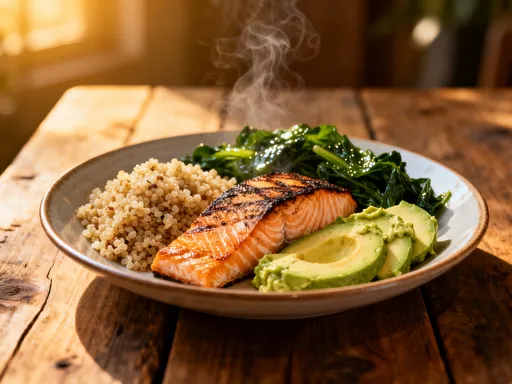
Diet plays a central role. In TCM, food is medicine — not in a magical sense, but in its ability to either support or strain the body’s systems. For example, someone with spleen qi deficiency benefits from warm, cooked meals, especially in the morning. Starting the day with warm water, oatmeal, or congee (a rice porridge) is far more supportive than cold cereal or smoothies, which require more digestive energy. Eating according to appetite — stopping when 70% full — prevents overburdening the stomach. Seasonal eating — more warming foods in winter, cooling ones in summer — aligns with nature’s rhythm.
Movement is another key. Intense cardio may drain qi in someone already fatigued. Instead, gentle practices like qigong, tai chi, or walking support circulation without exhaustion. These activities move qi and blood, reduce stagnation, and calm the mind. Even five minutes a day can make a difference. The focus is on consistency, not intensity. Over time, women report better energy, less joint stiffness, and improved mood — not because they’re working harder, but because they’re moving in a way that honors their body’s needs.
Herbal blends, when used under the guidance of a licensed practitioner, can offer targeted support. For example, a formula like Si Wu Tang (Four Substances Decoction) is traditionally used to nourish blood, helping with fatigue, dryness, and irregular periods. Bu Zhong Yi Qi Tang supports spleen qi, improving energy and digestion. These are not quick fixes, but tools to help the body rebuild. When combined with lifestyle changes, they can make a meaningful difference.
Sleep rhythm is also part of adjustment. Going to bed by 10:30 p.m. aligns with the body’s natural cycles — the liver’s time to detox and restore is between 1 a.m. and 3 a.m., so being asleep by then supports this process. Creating a calming evening routine — dimming lights, avoiding screens, drinking a warm herbal tea — signals the body it’s time to wind down. Over weeks, many women notice deeper sleep, fewer nighttime awakenings, and more stable moods during the day.
The Science Behind the Shift: Where TCM Meets Modern Understanding
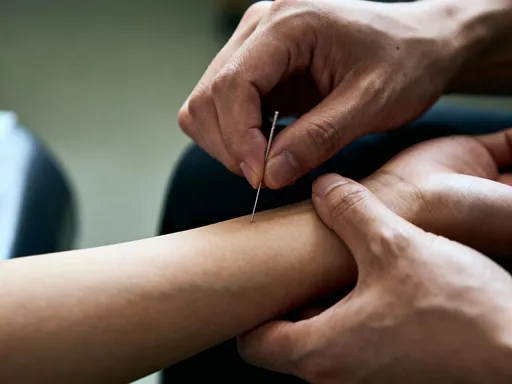
While TCM uses different language, modern science is increasingly finding parallels in its observations. This doesn’t mean TCM is “proven” by Western standards, but that its patterns often reflect biological truths we’re now able to measure. For example, the concept of liver qi stagnation — marked by irritability, tension, and digestive upset — closely mirrors what we know about stress and the nervous system. Chronic stress raises cortisol, disrupts digestion, and affects sleep. Acupuncture, a key TCM practice, has been shown to reduce cortisol levels and improve vagal tone, which helps the body shift from “fight-or-flight” to “rest-and-digest” mode.
Similarly, spleen qi deficiency — with symptoms like fatigue, bloating, and poor appetite — aligns with what we now understand about the gut-brain axis. The gut microbiome influences energy, mood, and immunity. When digestion is weak, nutrient absorption suffers, leading to fatigue and brain fog. TCM dietary recommendations — warm, easy-to-digest foods, regular meal times — support gut health in ways that modern nutrition also endorses.
Herbal medicine is another area of growing research. Many TCM herbs have anti-inflammatory, antioxidant, or adaptogenic properties. For example, astragalus (Huang Qi) is used to boost qi and has been studied for its immune-modulating effects. Rehmannia (Shu Di Huang), used to nourish blood and yin, shows benefits for hormonal balance and adrenal function. These are not miracle cures, but natural substances that support the body’s innate healing capacity.
Acupuncture’s effect on pain, digestion, and sleep is now supported by clinical trials. It’s thought to work by stimulating nerve pathways, releasing endorphins, and improving blood flow. While the idea of “meridians” may not map directly to anatomy, the physiological effects are real. This doesn’t diminish TCM’s wisdom; it confirms that ancient observations were often rooted in observable, repeatable experience.
Making It Practical: Simple Daily Habits That Support Balance
Sustainability is key. Lasting balance doesn’t come from extreme diets or rigid routines. It comes from small, consistent habits that fit into real life. The goal isn’t perfection, but awareness and gentle support. Here are practical steps anyone can take:
Start the day with warm water. This simple act wakes up the digestive system, hydrates the body, and supports spleen qi. Add a slice of lemon or ginger for extra warmth and circulation. Avoid cold drinks first thing, as they can slow digestion.
Eat according to your appetite. Don’t force breakfast if you’re not hungry. Eat when you’re truly hungry, and stop when you’re about 70% full. This prevents overburdening the stomach and allows digestion to work efficiently.
Cook your food. Especially in cooler months or if you feel cold easily, favor cooked over raw foods. Steaming, stewing, and soups are easier to digest and more nourishing than salads or smoothies.
Move gently. A daily walk, five minutes of qigong, or stretching before bed helps move qi and blood, reducing stagnation and improving sleep. The goal is flow, not fitness.
Honor rest. Go to bed early when possible. Create a calming routine. Warm your feet at night — socks, a hot water bottle, or a foot soak — to help blood sink downward and support sleep.
These habits aren’t about strict rules. They’re about listening. When you pay attention, you begin to notice what your body truly needs. And over time, those small choices add up to real change.
When to Seek Help: Knowing the Limits and Next Steps
TCM is a powerful tool for prevention, balance, and wellness, but it is not a substitute for emergency care or disease treatment. If you experience sudden chest pain, severe headaches, unexplained weight loss, or other red flags, seek immediate medical attention. TCM works best when integrated with conventional medicine, not in place of it.
Working with a licensed TCM practitioner — such as a licensed acupuncturist or herbalist — ensures safe and personalized care. They can assess your unique pattern, recommend appropriate herbs, and guide dietary and lifestyle changes. Always inform your primary care provider about any herbs or supplements you’re taking, as some may interact with medications.
Wellness is not about avoiding doctors or rejecting modern medicine. It’s about expanding your toolkit. By learning to read your body’s signals, making supportive choices, and seeking help when needed, you take an active role in your health. The goal isn’t just to live longer — it’s to live better. To wake up with energy. To digest with ease. To move through life with calm and strength. That’s the kind of balance that doesn’t show up on a lab test — but you can feel it every day.