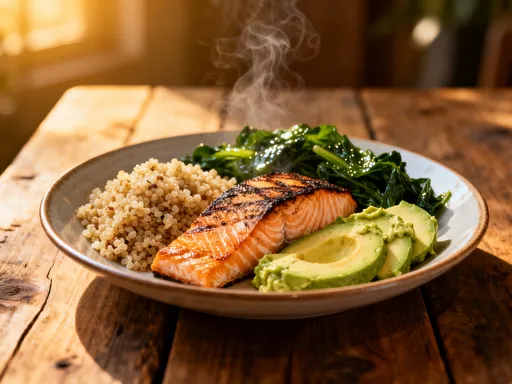
Flexible from Within: How My Daily Eating Habits Changed Everything
You know that stiff feeling when you can’t touch your toes, even after stretching? I felt it every morning—until I realized flexibility isn’t just about stretching muscles. What I ate mattered just as much. Turns out, real flexibility starts in your gut. After tweaking my diet with simple, science-backed tweaks, I moved easier, felt lighter, and finally got why food fuels function. This isn’t magic—it’s method. Let me walk you through what actually worked.
The Flexibility Myth: It’s Not Just About Stretching
For years, the common belief has been that flexibility is built solely through physical effort—yoga, Pilates, or a nightly stretching routine. While movement is undeniably important, it’s only one piece of the puzzle. The truth is, no amount of stretching can fully overcome internal resistance caused by poor nutrition, chronic inflammation, or dehydration. Stiffness isn’t always a sign of tight muscles; it can be a signal from within, pointing to deeper imbalances in how your body maintains and repairs its tissues.
Joint mobility and muscle elasticity depend on the health of connective tissues, tendons, ligaments, and synovial fluid—the lubricant that allows joints to glide smoothly. When the body experiences ongoing inflammation, these tissues become less pliable. Inflammatory markers like C-reactive protein can rise due to diet, stress, or lack of sleep, leading to a constant low-grade tightening of the body’s structural framework. Over time, this makes even simple motions—like bending to tie a shoe—feel strained or uncomfortable.
Science shows that nutrition plays a foundational role in modulating inflammation. For example, diets high in refined sugars and processed fats are linked to increased inflammatory cytokines, which directly affect tissue elasticity. On the flip side, diets rich in antioxidants, essential fatty acids, and hydration-supportive foods help maintain the body’s natural fluidity. The shift in mindset needed is clear: flexibility is not just a physical goal but a physiological state supported by daily choices.
Instead of asking, “How far can I stretch?” a more powerful question is, “How well is my body equipped to move?” This subtle change in perspective transforms flexibility from a performance metric into a reflection of overall health. When you begin to see stiffness as feedback rather than failure, you open the door to solutions that go beyond the mat and into the kitchen.
Why Your Plate Affects Your Posture and Range of Motion
The food you eat doesn’t just fuel energy—it shapes your body’s structure and function at the cellular level. Every bite contributes to the ongoing process of tissue repair, inflammation control, and joint maintenance. This means that your daily diet has a direct, measurable impact on how freely you can move. Consider this: two women of the same age and activity level may have vastly different experiences with stiffness, not because of genetics, but because of what they regularly consume.
Processed foods—especially those high in refined carbohydrates, added sugars, and unhealthy fats—promote systemic inflammation. These ingredients trigger the release of pro-inflammatory molecules that can accumulate in joint spaces and connective tissues. Over time, this creates a biochemical environment where stiffness becomes the default state. Even foods marketed as “healthy,” like flavored yogurts or granola bars, can be loaded with hidden sugars that quietly undermine mobility.
In contrast, whole, unprocessed foods support tissue health in multiple ways. Antioxidants found in colorful fruits and vegetables neutralize free radicals that contribute to oxidative stress—a key driver of tissue aging and stiffness. Omega-3 fatty acids, abundant in fatty fish, flaxseeds, and walnuts, actively reduce inflammation and support the integrity of cell membranes, including those in muscle and joint tissues. These nutrients don’t just prevent damage; they actively promote resilience.
Hydration is another critical but often overlooked factor. Synovial fluid, which cushions and lubricates joints, is largely composed of water. When you’re dehydrated, this fluid becomes less effective, leading to increased friction and reduced range of motion. Even mild dehydration—something many people experience daily—can make movements feel heavier and more restricted. Pairing proper hydration with nutrient-dense eating creates a powerful synergy that supports natural flexibility from the inside out.
Real-life changes can be seen within weeks. Women who shift from a diet high in processed foods to one centered on whole grains, vegetables, lean proteins, and healthy fats often report reduced morning stiffness, easier movement during daily tasks, and a greater sense of physical ease. These improvements aren’t dramatic leaps—they’re subtle, consistent gains that accumulate into a more fluid, comfortable body over time.
The 3 Core Nutrients That Support Natural Flexibility
If flexibility is a symphony, then certain nutrients are the lead instruments. Three stand out for their direct and powerful roles in supporting joint health, tissue repair, and muscle function: vitamin C, magnesium, and high-quality protein. These are not miracle cures, but essential building blocks that your body uses every day to maintain mobility. The good news? They’re easy to incorporate into everyday meals without relying on supplements.
Vitamin C is perhaps best known for immune support, but it plays a crucial role in collagen synthesis—the protein that forms the foundation of tendons, ligaments, and skin. Without adequate vitamin C, collagen production slows, leading to weaker connective tissues and slower recovery from daily wear and tear. The body cannot store vitamin C, so it must be replenished daily. Excellent food sources include citrus fruits like oranges and grapefruits, bell peppers, strawberries, and broccoli. Adding a squeeze of lemon to water or including sliced peppers in a salad are simple ways to boost intake.
Magnesium is another unsung hero when it comes to flexibility. This mineral is involved in over 300 enzymatic reactions in the body, including those that regulate muscle relaxation and nerve function. Low magnesium levels are linked to increased muscle tension, cramping, and stiffness. Many women, especially those over 40, may not get enough magnesium due to dietary gaps or increased needs. Leafy greens like spinach and Swiss chard, nuts like almonds and cashews, seeds such as pumpkin and sunflower, and legumes are all rich in magnesium. A small handful of mixed nuts as an afternoon snack or a spinach salad at lunch can make a meaningful difference.
High-quality protein is the third pillar. Proteins provide the amino acids needed to repair and rebuild muscle and connective tissue. As we age, the body becomes less efficient at synthesizing protein, making it even more important to consume enough throughout the day. Good sources include eggs, Greek yogurt, poultry, fish, tofu, lentils, and quinoa. The key is consistency—spreading protein intake across meals rather than relying on one large serving at dinner. A breakfast with eggs and vegetables, a lunch with grilled chicken and greens, and a dinner with salmon and sweet potatoes create a steady supply of building materials for the body.
These three nutrients work best when combined. For example, a smoothie made with berries (vitamin C), spinach (magnesium), and Greek yogurt (protein) delivers a powerful trio in one meal. The goal isn’t perfection but pattern—building daily habits that consistently support the body’s need for flexibility-enhancing nutrition.
My 7-Day Real-Food Flexibility Plan (No Extreme Diets)
Change doesn’t have to be complicated or restrictive. This 7-day plan is designed to be realistic, flavorful, and sustainable—focused on adding nourishing foods rather than cutting out entire food groups. Each day includes balanced meals that support joint health, reduce inflammation, and promote hydration, all while being enjoyable and easy to prepare.
Day 1 starts with a berry and chia smoothie made with almond milk, banana, and a scoop of protein powder or Greek yogurt. The berries provide antioxidants, chia seeds offer omega-3s, and the protein supports muscle maintenance. Lunch is a large salad with mixed greens, grilled chicken, cherry tomatoes, cucumber, avocado, and olive oil dressing. Dinner features baked salmon with roasted sweet potatoes and steamed broccoli—rich in omega-3s, magnesium, and vitamin C. Snacks include an apple with almond butter and herbal tea.
Day 2 begins with oatmeal topped with walnuts, blueberries, and a sprinkle of cinnamon. Walnuts add healthy fats, while blueberries boost antioxidant intake. Lunch is a quinoa bowl with black beans, corn, bell peppers, and lime dressing. Dinner includes turkey meatballs with zucchini noodles and marinara sauce. A small handful of pumpkin seeds serves as an afternoon snack, offering magnesium and protein.
Day 3 features scrambled eggs with spinach and tomatoes for breakfast, providing protein and magnesium. Lunch is a lentil soup with a side of whole-grain toast and a mixed green salad. Dinner consists of grilled tofu with stir-fried vegetables (broccoli, carrots, snap peas) in a ginger-tamari sauce. A pear with a few walnuts makes a satisfying evening snack.
Day 4 includes a smoothie bowl with mango, pineapple, spinach, and chia seeds, topped with granola and coconut flakes. Lunch is a turkey and avocado wrap in a whole-grain tortilla with lettuce and hummus. Dinner features baked cod with quinoa and roasted Brussels sprouts. A banana with a spoonful of peanut butter rounds out the day.
Day 5 starts with Greek yogurt with sliced strawberries and a drizzle of honey. Lunch is a large kale salad with chickpeas, roasted beets, feta, and olive oil. Dinner includes chicken stir-fry with brown rice and mixed vegetables. A small orange and a few almonds are perfect for an afternoon pick-me-up.
Day 6 begins with whole-grain toast with avocado and a poached egg. Lunch is a hearty vegetable soup with lentils and a side of whole-grain crackers. Dinner features grilled shrimp with wild rice and sautéed green beans. A handful of mixed berries with a few cashews completes the evening.
Day 7 includes a breakfast burrito with scrambled eggs, black beans, salsa, and spinach in a whole-wheat tortilla. Lunch is a tuna salad with celery, apple, and Greek yogurt, served over greens. Dinner is a stuffed bell pepper with ground turkey, quinoa, and diced tomatoes. A small piece of dark chocolate (70% or higher) and a cup of herbal tea make a gentle end to the week.
This plan isn’t about rigid rules—it’s about patterns. It emphasizes variety, color, and whole ingredients while avoiding processed foods, added sugars, and inflammatory oils. The meals are designed to be flexible, allowing for substitutions based on preference or availability. The result is a week of eating that feels good, supports mobility, and sets the stage for long-term change.
What to Avoid: The Hidden Stiffness Triggers in Your Kitchen
Just as certain foods support flexibility, others quietly work against it. Some of the most common culprits are hiding in plain sight—on pantry shelves, in snack drawers, and even in products labeled “healthy.” The key offenders are excess sugar, refined carbohydrates, and processed vegetable oils, all of which contribute to chronic inflammation and can undermine your efforts to feel more fluid and mobile.
Sugar, in all its forms, is one of the most significant triggers. When consumed in excess, it causes spikes in blood glucose, leading to the production of advanced glycation end products (AGEs)—compounds that stiffen collagen and elastin in connective tissues. Over time, this contributes to a loss of elasticity in joints and skin. Sugary drinks, desserts, and even seemingly innocent items like flavored oat milk or store-bought sauces can add up quickly. Reading labels is essential; look for hidden names like high-fructose corn syrup, cane juice, or maltodextrin.
Refined carbohydrates—white bread, white rice, pastries, and many breakfast cereals—are quickly broken down into sugar in the body, producing a similar inflammatory effect. These foods lack fiber and nutrients, leaving you hungry soon after eating and promoting blood sugar swings that stress the body. Swapping them for whole grains like brown rice, quinoa, oats, and whole-wheat products can make a noticeable difference in energy levels and joint comfort.
Processed vegetable oils—such as soybean, corn, and sunflower oils—are high in omega-6 fatty acids. While omega-6s are essential in moderation, an imbalance with omega-3s promotes inflammation. These oils are common in fried foods, packaged snacks, and many salad dressings. Replacing them with olive oil, avocado oil, or coconut oil at home helps restore a healthier fat balance. Cooking more meals at home gives you greater control over which fats you consume.
Even some “health foods” can be misleading. Vegan cookies, gluten-free crackers, or protein bars often contain refined flours, added sugars, and unhealthy fats. The label “gluten-free” or “low-fat” doesn’t automatically make a food anti-inflammatory. The best strategy is to focus on whole, single-ingredient foods as much as possible and to approach packaged items with a critical eye. When in doubt, ask: “Does this resemble something I could grow or harvest?” If not, it’s likely more processed than beneficial.
Beyond Food: Sleep, Hydration, and Movement Synergy
Nutrition is powerful, but it doesn’t work in isolation. True flexibility emerges from the interplay of multiple lifestyle factors—hydration, sleep, and movement. Each of these elements supports the body’s ability to repair, regenerate, and maintain fluidity. When combined with a nourishing diet, they create a foundation for lasting physical ease.
Hydration is non-negotiable. Water is essential for maintaining synovial fluid, transporting nutrients to cells, and flushing out metabolic waste. Most women need at least 2 liters (about 8 cups) of water daily, more if active or in a hot climate. Herbal teas, broths, and water-rich foods like cucumbers, oranges, and melons also contribute. A simple habit—starting the day with a glass of water—can set a positive tone. Carrying a reusable bottle makes it easier to stay on track.
Sleep is equally vital. During deep sleep, the body repairs tissues, reduces inflammation, and rebalances hormones that regulate stress and appetite. Poor sleep disrupts this process, leading to increased cortisol levels, which in turn can worsen stiffness and slow recovery. Aiming for 7–8 hours of quality sleep each night supports both physical and mental resilience. Creating a calming bedtime routine—such as dimming lights, avoiding screens, and sipping chamomile tea—can improve sleep quality over time.
Gentle, consistent movement complements nutrition and rest. While intense workouts have their place, daily low-impact activity is what sustains flexibility. Walking, stretching, yoga, or even gardening keeps joints lubricated and muscles engaged without strain. The key is regularity, not intensity. A 20-minute walk after meals, a few minutes of stretching in the morning, or a weekly yoga class can make a meaningful difference. Movement doesn’t have to be structured—it’s about staying active in ways that feel good.
These habits don’t need to be perfect. Missing a glass of water or a night of sleep won’t erase progress. What matters is the overall pattern. Small, consistent choices compound into real, lasting change. When food, hydration, sleep, and movement work together, the body responds with greater ease, strength, and freedom of motion.
Long-Term Flexibility: Building a Sustainable Routine
Flexibility is not a destination; it’s a lifelong practice. The goal isn’t to achieve a perfect forward fold or touch your toes in a week, but to cultivate a body that feels good in its daily movements. Lasting change comes not from rigid rules or extreme diets, but from sustainable habits built on enjoyment, consistency, and self-awareness.
The most effective routines are the ones you can stick with. That means choosing foods you like, movement that feels good, and rest that restores you. It’s better to eat a nourishing meal five days a week than to follow a strict plan for two days and burn out. Progress is not linear—there will be days of stiffness, fatigue, or setbacks. What matters is returning to the basics: drinking water, eating whole foods, moving gently, and resting well.
Personalization is key. One woman may thrive on a morning smoothie, while another prefers eggs and toast. Some enjoy yoga, others prefer walking in nature. The best routine is the one that fits your life, not the one that fits someone else’s. Listening to your body—recognizing when you’re hungry, tired, or stiff—helps you make choices that support long-term well-being.
Over time, the changes become second nature. You stop thinking about “being flexible” and simply notice that you move more easily, stand taller, and feel lighter. The food you eat becomes a form of self-care, not restriction. Movement feels like a gift, not a chore. And stiffness, once a daily companion, becomes a rare visitor.
Real flexibility begins within—with the choices you make every day. It’s not about perfection, but about showing up for yourself, one nourishing habit at a time. When you treat your body with care, it responds with strength, resilience, and the quiet joy of moving freely through life.