How I Finally Learned to Chill: Real Talk on Managing Emotions Daily
Ever feel like your emotions hijack your day? I’ve been there—stressed, overwhelmed, snapping at people I care about. Over time, I realized emotional balance isn’t about control; it’s about rhythm. Small, consistent lifestyle habits quietly transformed how I respond to pressure. This isn’t a quick fix, but a real, doable shift. Let’s explore how everyday choices shape emotional resilience—no hype, just what actually works.
The Breaking Point: When Emotions Take Over
There was a time when even small inconveniences felt like personal attacks. A delayed grocery delivery could ruin my morning. A miscommunication at work would spiral into hours of self-doubt and irritation. I wasn’t just reacting to stress—I was living inside it. My energy dipped by midday, my patience wore thin, and I often found myself apologizing to my family for words I didn’t mean. This wasn’t burnout in the dramatic sense—no collapse, no medical leave—but a slow erosion of peace, one tense moment at a time.
What I didn’t understand then was that emotional volatility doesn’t just affect mood—it shapes behavior, decisions, and relationships. When emotions go unchecked, they cloud judgment. Simple tasks feel overwhelming. A child’s request for help can feel like a demand, a partner’s suggestion like criticism. Over time, this erodes trust and connection. I began to notice how my reactions were pushing people away, even as I longed to feel closer to them. The irony was painful: the more I wanted calm, the more I created chaos.
The turning point came when I stopped seeing emotional regulation as something only ‘strong’ people naturally had. I used to believe that those who stayed calm under pressure were just born that way—that it was a personality trait, like being tall or artistic. But research and personal experience taught me otherwise. Emotional regulation is not an inborn gift; it’s a skill. Like learning to cook or drive, it improves with practice, guidance, and repetition. And just like any skill, it can be shaped by daily habits that support mental clarity and self-awareness.
What Emotion Regulation Really Means (And What It Doesn’t)
Emotion regulation is often misunderstood. Many people think it means suppressing feelings—putting on a calm face while boiling inside. But that’s not regulation; that’s repression. True emotional regulation is the ability to notice what you’re feeling, accept it without judgment, and choose how to respond. It’s the pause between stimulus and reaction—the moment you feel anger rise but decide not to shout. It’s not about denying emotion, but about guiding it wisely.
Consider the brain as a team. The amygdala acts like an alarm system, quickly detecting threats and triggering emotional responses like fear or frustration. Meanwhile, the prefrontal cortex is the thoughtful planner, capable of reasoning, pausing, and considering consequences. When stress is high and rest is low, the amygdala takes the lead, and reactions become impulsive. But when we support our brain with good sleep, movement, and mindfulness, the prefrontal cortex regains control. This isn’t abstract theory—it’s observable in daily life. After a good night’s sleep, a frustrating email might prompt a measured reply. After a sleepless night, the same email might feel like an insult.
Another myth is that emotional regulation means always staying positive. That’s neither realistic nor healthy. Sadness, anger, and disappointment are natural parts of life. The goal isn’t to eliminate difficult emotions but to prevent them from taking over. Think of it like weather: you can’t stop a storm, but you can prepare for it. You can build a sturdy shelter—habits and routines—that help you ride it out without damage. Emotional resilience isn’t about avoiding storms; it’s about learning to stand steady in the wind.
Morning Rituals That Set the Tone
How you start your day often predicts how you’ll handle what comes next. I used to wake up and immediately check my phone—emails, messages, news—flooding my mind with demands before my feet even touched the floor. Unsurprisingly, I felt reactive from the start. Now, I’ve replaced that habit with a quiet 20-minute routine that centers me before the world rushes in. It begins with a glass of water—simple, but vital. After hours of sleep, the body is mildly dehydrated, and even slight dehydration can impair focus and mood.
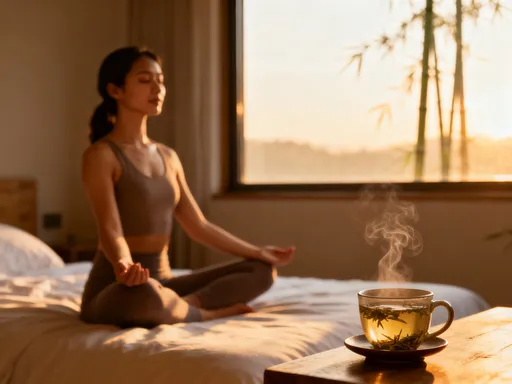
Next, I spend five minutes on mindful breathing. I sit by the window, close my eyes, and focus only on the inhale and exhale. When thoughts arise—and they always do—I acknowledge them gently and return to the breath. This isn’t about emptying the mind; it’s about training attention. Over time, this small practice has strengthened my ability to notice emotional shifts early. Instead of being blindsided by frustration, I now sense it building—a tightness in the chest, a quickening breath—and can respond before it escalates.
I also write down three things I’m grateful for. Some days it’s big: my child’s laughter, a supportive friend. Other days it’s small: warm socks, a quiet moment, the smell of coffee. This isn’t magical thinking; studies show that gratitude practices can shift brain activity over time, increasing activity in regions linked to empathy and emotional regulation. Finally, I avoid screens for at least the first 30 minutes of the day. This reduces decision fatigue—those early choices about what to read, respond to, or worry about—and preserves mental energy for more important decisions later.
Movement as Emotional Release
For years, I thought exercise was only for weight or fitness. I didn’t realize how deeply it affects emotional health. Physical movement is one of the most effective, underused tools for processing stress. When we move our bodies, we help our nervous system reset. Stress hormones like cortisol are metabolized, and mood-boosting chemicals like endorphins and serotonin are released. This isn’t just a post-workout glow—it’s a physiological shift that supports emotional balance throughout the day.
Walking, in particular, has become my go-to emotional reset. A 15-minute walk around the block after a tense phone call or a frustrating interaction clears my head like nothing else. There’s something about the rhythm of steps, the change of scenery, the fresh air that helps diffuse emotional charge. I don’t need a gym or special clothes—just shoes and the willingness to step outside. On days when I can’t go out, I do gentle stretching at my desk: shoulder rolls, neck stretches, forward bends. These small movements release physical tension, which is often tied to emotional tension.
Dancing is another unexpected but powerful tool. I used to feel self-conscious about it, but now I play one song each day and just move—no rules, no mirror, no performance. It’s not about coordination; it’s about expression. Laughter often follows, and that alone shifts my mood. The key is consistency, not intensity. You don’t need an hour at the gym to benefit. Ten minutes of intentional movement—walking, stretching, dancing, even gardening—can make a measurable difference in emotional resilience over time.
The Hidden Link Between Food and Mood
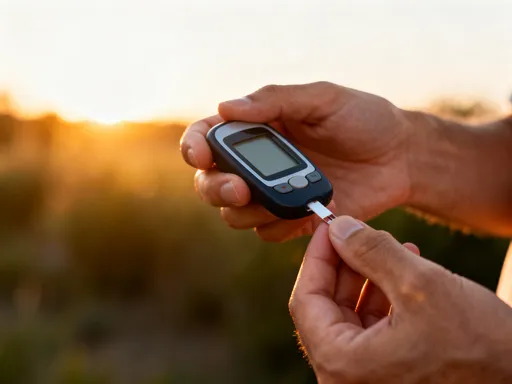
I once thought of food only in terms of calories or weight. Then I noticed a pattern: after eating a sugary breakfast, I’d feel jittery by 10 a.m., then crash by noon, irritable and foggy. My mood seemed tied to what I ate, but I didn’t understand why. What I learned is that blood sugar stability is foundational to emotional stability. When glucose levels spike and plummet, the brain struggles to function smoothly. This can manifest as anxiety, fatigue, or sudden irritability—symptoms often mistaken for personal flaws rather than physiological signals.
Now, I focus on balanced meals that include protein, healthy fats, and fiber. A breakfast of eggs with vegetables and avocado keeps me steady far longer than toast and jam. I also pay attention to hydration. Even mild dehydration can mimic anxiety—racing heart, restlessness, trouble concentrating. I keep a water bottle nearby and sip throughout the day. These changes didn’t require a strict diet or expensive supplements—just small, consistent choices that support my body’s chemistry.
Caffeine was another blind spot. I used to drink three or four cups of coffee to stay alert. But I didn’t realize how much it amplified my underlying anxiety. After cutting back to one cup in the morning and switching to herbal tea in the afternoon, I noticed fewer mood swings and less nighttime restlessness. I also reduced processed snacks—chips, cookies, candy—that promised quick energy but delivered only a crash. Instead, I keep nuts, fruit, or yogurt on hand. These adjustments didn’t eliminate stress, but they removed unnecessary emotional volatility caused by diet. Food isn’t a cure, but it’s a powerful ally in emotional regulation.
Sleep’s Quiet Superpower in Emotional Balance
If there’s one habit that amplifies all others, it’s sleep. I used to sacrifice sleep to get more done, not realizing I was sabotaging my emotional resilience. Research shows that even one night of poor sleep increases activity in the amygdala, making us more reactive to negative stimuli. After a bad night, a minor inconvenience—like spilled coffee or a traffic delay—can feel catastrophic. Patience shrinks, perspective narrows, and emotional control weakens.
My turning point was recognizing that sleep isn’t downtime—it’s active restoration. During deep sleep, the brain processes emotions, consolidates memories, and clears metabolic waste. Without it, we’re emotionally under-resourced. I started prioritizing a consistent bedtime, even on weekends. I also created a screen curfew an hour before bed. The blue light from phones and tablets suppresses melatonin, the hormone that signals sleep. Instead of scrolling, I read a physical book or listen to calming music. I also made my bedroom a sleep sanctuary: cool, dark, and quiet, with no work materials or electronics.
The ripple effects were profound. With better sleep, I had more patience with my family, clearer thinking at work, and greater resilience in stressful moments. I didn’t become immune to stress, but I could navigate it more calmly. Sleep didn’t solve everything, but it created the foundation that made other habits possible. It’s like charging a battery: without a full charge, even small tasks drain you. With it, you have the energy to respond, not react.
Building a Supportive Environment (Without Saying Much)
We often think of emotional regulation as an internal process—something we manage with willpower or therapy. But our surroundings play a powerful, often overlooked role. A cluttered kitchen, a noisy home office, constant notifications—these aren’t just annoyances; they’re emotional drains. They create low-grade stress that accumulates over time, wearing down resilience. I began to see my environment as an extension of my nervous system: when it’s chaotic, I feel chaotic. When it’s calm, I feel calmer.
So I made small changes. I cleared my workspace each evening, so mornings felt fresh. I organized drawers and cabinets, reducing the friction of daily tasks. I created a quiet corner with a chair, a lamp, and a stack of books—a visual and physical cue for rest. I also limited negative inputs: I unsubscribed from stressful newsletters, reduced social media time, and set boundaries around conversations that left me drained. These weren’t drastic measures, but they reduced the emotional load I carried each day.
I also scheduled low-stress downtime—times with no agenda, no productivity goal. A cup of tea by the window. A walk without a podcast. These moments aren’t lazy; they’re essential for emotional recovery. Our brains aren’t designed for constant stimulation. They need stillness to reset. By designing my environment and schedule to include space for quiet, I gave myself permission to recharge without guilt. Emotional regulation isn’t just about managing feelings in the moment; it’s about creating a life that supports emotional balance over time.
Wrapping It Up: Small Shifts, Big Returns
Emotional regulation didn’t transform my life overnight. There was no single breakthrough, no miracle solution. Instead, it grew from small, consistent choices—drinking water first thing, walking after dinner, setting a screen curfew, eating balanced meals. These habits didn’t eliminate stress or difficult emotions. But they changed my relationship to them. I became less reactive, more responsive. I still feel frustration, sadness, and pressure—but I no longer feel ruled by them.
The most important lesson was patience. I used to expect immediate results, then feel discouraged when I snapped at someone or had a low-energy day. But emotional resilience is like a muscle: it strengthens with regular, gentle use. Some days are better than others, and that’s okay. Self-compassion became part of the process—treating myself with the same kindness I’d offer a friend who was trying their best.
These habits aren’t about perfection. They’re about showing up, day after day, with the intention to care for yourself. Over time, that intention becomes a quiet strength. You don’t need to overhaul your life to find more calm. You just need to start—wherever you are—with one small, sustainable change. Because emotional balance isn’t a destination. It’s a practice. And it’s one worth making, for yourself and everyone around you.