What Your Body’s Been Missing: Real Talk on Beating Subhealth with Smarter Eating
Ever feel tired even after a full night’s sleep? You’re not alone. Millions walk around in a fog of low energy, poor focus, and nagging aches—classic signs of subhealth. It’s not illness, but it’s not wellness either. After years of trial and error, I discovered that the real game-changer wasn’t drastic diets or supplements, but strategic dietary combinations. This isn’t about perfection—it’s about making smarter, science-backed food pairings that work with your body, not against it. These everyday choices, when done consistently, can shift the needle from simply surviving to truly thriving. The body is remarkably resilient, and with the right nutritional support, it can regain balance, energy, and clarity without extreme measures.
Understanding Subhealth: The Invisible Threshold Between Well and Unwell
Subhealth is a quietly growing concern, especially among busy adults managing work, family, and personal responsibilities. It describes a state where the body functions below optimal levels—no formal diagnosis, yet no sense of true vitality. People in this condition often report chronic fatigue, difficulty concentrating, frequent colds, irritability, and disrupted sleep. These symptoms linger just beneath the surface, easily dismissed as “just part of getting older” or “the cost of a busy life.” Yet, subhealth is neither normal nor inevitable. It is a warning signal, a physiological red flag indicating that the body is under sustained strain.
The roots of subhealth are multifaceted. Chronic stress, sedentary routines, and poor sleep patterns all contribute. However, one of the most overlooked drivers is long-term dietary imbalance. The modern diet, rich in processed foods, refined sugars, and unhealthy fats, lacks the essential nutrients needed for cellular repair, immune defense, and energy production. Over time, these nutritional gaps accumulate, leading to a body that is technically functional but operating in survival mode rather than flourishing. Unlike acute illness, subhealth doesn’t trigger urgent medical attention, which allows it to persist and deepen.
What makes subhealth particularly challenging is its invisibility. Blood tests may come back “within normal range,” yet the person feels anything but normal. This gray zone between health and disease is where many spend years—unseen, unsupported, and unaware of how much better they could feel. The good news is that subhealth is reversible. With targeted lifestyle adjustments, especially in eating habits, the body can regain its rhythm and resilience. The first step is recognition: understanding that persistent low-grade symptoms are not something to endure, but signals to act.
Why Food Pairing Matters More Than You Think
For decades, nutrition advice has focused on individual foods—eat more greens, avoid sugar, choose lean protein. While these guidelines are helpful, they miss a crucial layer: how foods interact when eaten together. The science of food synergy shows that the nutritional value of a meal is more than the sum of its parts. Certain combinations enhance nutrient absorption, while others can hinder it. For instance, pairing vitamin C-rich foods like bell peppers or citrus with plant-based iron sources such as lentils or spinach can increase iron absorption by up to three times. On the flip side, consuming calcium-rich dairy at the same time as iron-rich meals may reduce iron uptake, because calcium competes for the same absorption pathway.
Another powerful example is the relationship between fat and certain vitamins. Vitamins A, D, E, and K are fat-soluble, meaning they require dietary fat to be properly absorbed and utilized by the body. Eating a salad of raw carrots and spinach without any oil limits the body’s ability to access the beta-carotene and vitamin K present in those vegetables. Adding a drizzle of olive oil transforms the meal into a far more effective source of nutrition. Similarly, pairing turmeric with black pepper increases the bioavailability of curcumin, its active compound, by up to 2,000%. These are not minor details—they are practical, science-backed strategies that turn ordinary meals into functional tools for healing and energy.
Understanding food pairing also helps prevent common digestive discomforts. For example, combining high-protein foods with high-starch foods in large quantities can slow digestion and lead to bloating for some individuals. While not a rule for everyone, paying attention to how different macronutrients interact can help fine-tune meals for better comfort and energy. The goal is not to follow rigid rules, but to develop awareness—so that each meal becomes an opportunity to support the body’s natural processes rather than disrupt them.
The Power Trio: Protein, Fiber, and Healthy Fats at Every Meal
To combat the energy crashes and cravings that fuel subhealth, one of the most effective strategies is building meals around three essential components: protein, fiber, and healthy fats. Together, these macronutrients create a balanced foundation that supports stable blood sugar, sustained energy, and long-lasting satiety. Protein is vital for tissue repair, enzyme production, and immune function. It also helps regulate appetite by promoting fullness. Good sources include eggs, Greek yogurt, beans, lentils, tofu, fish, and lean poultry.
Fiber, found in vegetables, fruits, whole grains, and legumes, plays a dual role. It supports digestive regularity and feeds the beneficial bacteria in the gut, which in turn influence everything from immunity to mood. Soluble fiber, such as that found in oats and apples, forms a gel-like substance that slows digestion and helps moderate blood sugar spikes. Insoluble fiber, found in whole grains and vegetables, adds bulk and supports bowel health. Most adults do not consume enough fiber, yet increasing intake—even by a few grams daily—can lead to noticeable improvements in energy and digestion.
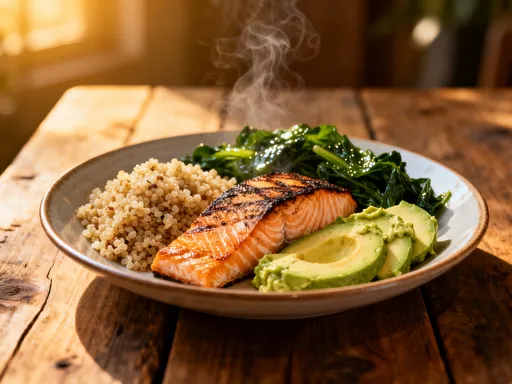
Healthy fats are often misunderstood. Unlike saturated and trans fats, which can contribute to inflammation, healthy fats from sources like avocados, nuts, seeds, olive oil, and fatty fish support brain health, hormone balance, and cellular integrity. They also help the body absorb fat-soluble vitamins and provide a slow-burning source of energy. A breakfast that includes scrambled eggs (protein and fat), sautéed spinach (fiber and micronutrients), and a slice of whole-grain toast with avocado (fiber and healthy fat) delivers a powerful combination that keeps energy steady for hours. In contrast, a meal of white toast with jam provides a quick burst of sugar followed by a crash—exactly the cycle that perpetuates subhealth.
Timing and Rhythm: Aligning Meals with Your Body’s Natural Cycles
The body operates on a 24-hour internal clock known as the circadian rhythm, which regulates sleep, hormone release, digestion, and metabolism. Eating in alignment with this natural rhythm can significantly improve how energy and nutrients are used. Research shows that metabolic rate is highest in the morning, making breakfast the most efficient time to consume a larger, nutrient-dense meal. When calories are front-loaded—meaning more are consumed earlier in the day—people tend to have better blood sugar control, improved insulin sensitivity, and increased energy throughout the day.
Conversely, eating late at night, especially heavy or sugary foods, disrupts both digestion and sleep. The body is designed to rest and repair at night, not process a large meal. Late-night eating can lead to indigestion, poor sleep quality, and increased fat storage, as insulin sensitivity naturally declines in the evening. Even if total calorie intake remains the same, the timing of meals can influence weight management and metabolic health. For women in their 30s to 50s, who may already face hormonal shifts affecting metabolism, this timing factor becomes even more important.
Spacing meals every three to four hours helps maintain stable blood sugar and prevents the energy dips that lead to snacking on processed foods. This doesn’t mean rigidly scheduling every bite, but rather being mindful of long gaps between meals. A mid-morning snack of apple slices with almond butter or a small handful of mixed nuts with a piece of fruit can prevent afternoon fatigue and overeating at dinner. Similarly, a light evening meal finished at least two to three hours before bedtime supports better sleep and overnight recovery. These small adjustments in meal timing can have a profound cumulative effect on how you feel from day to day.
The Gut Connection: How Food Combos Shape Digestion and Immunity
The gut is increasingly recognized as the cornerstone of overall health. It houses about 70% of the immune system and plays a key role in producing neurotransmitters like serotonin, which influence mood and cognitive function. A healthy gut microbiome—the community of trillions of bacteria in the digestive tract—depends on the right balance of nutrients. Poor food combinations, such as eating fruit on a full stomach or consuming large amounts of raw vegetables when digestion is sluggish, can lead to bloating, gas, and discomfort. These symptoms are not just inconvenient—they signal that the gut environment is out of balance.
Strategic food pairings can support a thriving microbiome. Fermented foods like plain yogurt, kefir, sauerkraut, and kimchi contain live probiotics—beneficial bacteria that help maintain gut health. When paired with fiber-rich plant foods such as bananas, onions, garlic, and whole grains, they provide both the “seeds” (probiotics) and the “fertilizer” (prebiotic fiber) needed for a diverse and resilient microbial community. This synergy enhances digestion, reduces inflammation, and strengthens the immune response.
Polyphenols, natural compounds found in berries, green tea, dark chocolate, and nuts, also support gut health. When consumed alongside probiotic foods, polyphenols can enhance the growth of beneficial bacteria and inhibit harmful ones. For example, a snack of plain Greek yogurt topped with blueberries and a sprinkle of chia seeds combines protein, healthy fats, prebiotic fiber, probiotics, and polyphenols—a powerful combination for gut and immune support. Over time, these choices contribute to clearer thinking, better mood, and fewer illnesses, directly addressing the subtle symptoms of subhealth.
Practical Swaps: Easy Upgrades for Everyday Meals
Transforming your diet doesn’t require gourmet skills or expensive ingredients. Lasting change comes from consistent, manageable choices. Start with simple swaps that enhance nutrient density without sacrificing taste or convenience. Instead of sugary breakfast cereals, choose steel-cut oats topped with walnuts, ground flaxseed, and fresh berries. This version provides sustained energy, fiber, omega-3 fatty acids, and antioxidants—nutrients that support brain function and reduce inflammation.
Replace white rice with brown, black, or wild rice to increase fiber and mineral content. These whole grains digest more slowly, preventing blood sugar spikes and keeping you fuller longer. When making lentil soup, add a squeeze of lemon juice—its vitamin C content significantly boosts iron absorption from the lentils. Use extra virgin olive oil as the base for salad dressings; its monounsaturated fats and polyphenols not only improve nutrient absorption but also support heart health.
Snacks are another opportunity for improvement. Instead of crackers and cheese, try apple slices with almond butter or carrot sticks with hummus. These combinations offer balanced macronutrients and avoid the refined carbs and added sugars common in packaged snacks. Even small changes, like drinking green tea instead of soda or adding spinach to a morning smoothie, can make a meaningful difference over time. The key is consistency, not perfection. Each smart choice builds resilience, helping the body move out of subhealth and toward vibrant wellness.
Building a Sustainable Routine: Beyond Short-Term Fixes
Many people fall into the trap of seeking quick fixes—detoxes, juice cleanses, or restrictive diets—that promise rapid results but are difficult to maintain. While these may offer short-term benefits, they often lead to rebound effects and frustration. True wellness comes from sustainable habits that can be maintained for years, not days. The goal is not to eat perfectly, but to make better choices more often. Progress, not perfection, is the foundation of lasting change.
Start by planning meals ahead when possible. Having healthy ingredients on hand reduces the temptation to reach for convenience foods. Listen to your body’s signals—hunger, energy levels, mood, and digestion. These are valuable feedback tools. Notice how you feel after different meals. Do you have steady energy? Do you sleep better? Is your skin clearer? These subtle shifts are signs that your body is responding positively to better nutrition.
Tracking isn’t about counting every calorie, but about awareness. A simple journal noting meals, energy, and mood can reveal patterns and help refine your approach. Over time, these habits become second nature. You begin to crave nourishing foods because they make you feel good. This shift is not about willpower—it’s about creating a lifestyle that supports your body’s natural ability to heal and thrive. Dietary balance is not a destination, but a daily practice—a lifelong commitment to feeling your best.
Food as Daily Medicine
Subhealth doesn’t announce itself with pain, but with absence—absence of energy, clarity, and vitality. It creeps in quietly, shaped by years of small, overlooked choices. The solution lies not in extreme diets or miracle supplements, but in thoughtful, science-informed food combinations. By aligning what we eat with how our bodies truly work, we reclaim wellness from the inside out. Each meal is an opportunity to nourish, repair, and energize. This isn’t about chasing health—it’s about living it, one smart, intentional choice at a time. When food becomes daily medicine, the body responds with resilience, strength, and a renewed sense of well-being.