How I Fixed My Daily Aches the Simple TCM Way
Ever feel stiff, drained, or just off after a long week? I did too—until I tried gentle TCM-inspired rehab moves that actually fit real life. No magic cures, just small, consistent shifts rooted in balance and body wisdom. This isn’t about intense workouts or extreme diets. It’s about adjusting how you move, breathe, and rest. Here’s what worked for me—and why it might help you too.
The Ache No One Talks About
Most women between 30 and 55 know this feeling: waking up with tight shoulders, a stiff lower back, or a neck that creaks when you turn. It’s not sharp pain, not quite an injury—just a low hum of discomfort that lingers through the day. You might chalk it up to aging, busy schedules, or poor sleep. But in Traditional Chinese Medicine (TCM), these subtle aches are seen as early warnings. They signal imbalance, not breakdown. When energy flow slows, circulation weakens, and muscles tense without cause, the body is asking for attention—not medication.
Modern life amplifies these imbalances. Long hours at desks, emotional stress, irregular meals, and fragmented sleep all disrupt the body’s natural rhythm. From a TCM perspective, this chronic low-grade tension reflects stagnation of Qi (vital energy) and Blood, especially in the Liver and Gallbladder channels, which govern smooth flow and emotional regulation. Unlike acute injuries that demand rest or treatment, these daily aches respond best to gentle, consistent realignment. The goal isn’t to ‘fix’ the body like a machine, but to rebalance it like a garden—nurturing conditions for natural healing.
This shift in mindset—from correction to cultivation—is key. Instead of waiting for pain to escalate, small daily habits can restore flow before discomfort takes root. TCM doesn’t label every ache a disease. It sees the body as a dynamic system, always communicating. Stiffness in the neck may reflect unexpressed stress. Heavy legs could signal dampness from diet or inactivity. Recognizing these signals early allows for subtle, effective intervention. The solution isn’t more force—it’s more awareness.
TCM Rehab: Not What You Think
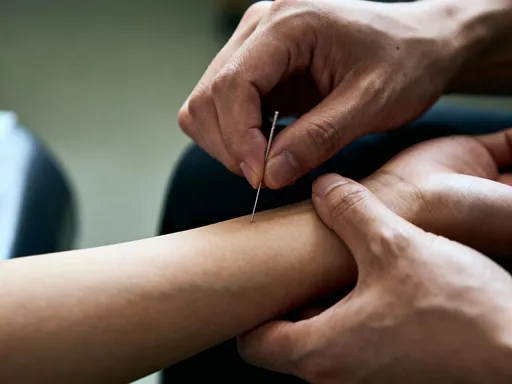
Many people hear “Traditional Chinese Medicine” and imagine mysterious rituals, exotic herbs, or acupuncture needles. But at its core, TCM rehab is practical, grounded in observation and rhythm. It’s not about supernatural forces, but about understanding how the body functions in harmony with nature’s cycles. The principles of Qi, Yin-Yang balance, and organ system interdependence are not mystical—they’re frameworks for maintaining physiological and emotional equilibrium.
Qi, often translated as “vital energy,” refers to the functional activity of organs, circulation of blood, and nervous system signaling. When Qi flows freely, you feel alert, relaxed, and resilient. When it stagnates—due to stress, inactivity, or emotional suppression—discomfort follows. Similarly, Yin and Yang represent opposing but complementary forces: rest and activity, coolness and warmth, storage and expenditure. Modern life often overemphasizes Yang—constant doing, thinking, producing—while neglecting Yin: resting, digesting, recovering. This imbalance shows up as fatigue, irritability, and muscle tension.
From a rehabilitation standpoint, TCM aligns closely with current understandings of nervous system regulation. For example, when the sympathetic nervous system (fight-or-flight) stays activated, muscles remain tense, digestion slows, and sleep suffers—mirroring what TCM calls Liver Qi stagnation. Gentle movement, breathwork, and routine help shift the body into parasympathetic dominance (rest-and-digest), supporting both modern recovery science and TCM’s emphasis on calm, unobstructed Qi flow. The wisdom of TCM lies in its holistic lens: it doesn’t isolate symptoms but asks, “What pattern is this part of?”
Why Small Moves Make Big Changes
You don’t need intense exercise to improve how your body feels. In fact, for many women managing household demands, careers, and aging parents, high-intensity workouts can add stress rather than relief. Research shows that gentle, frequent movement enhances joint lubrication, improves circulation, and reduces inflammation—key factors in preventing chronic stiffness. These micro-movements are not about burning calories; they’re about stimulating flow.
In TCM, joints are considered “gates” where Qi and Blood travel. When joints are stiff or cold, flow is impaired. Simple practices like morning joint rotations—slow circles of the wrists, ankles, shoulders, and neck—help “open the gates” and awaken circulation. These movements need only take two to three minutes. They signal the nervous system that the day has begun gently, reducing the cortisol spike that often accompanies rushed mornings.
Another effective practice is the seated spine twist. Sitting upright in a chair, gently rotating the torso to one side while placing the opposite hand on the knee encourages detoxification in the digestive organs and releases tension in the back. This motion supports the smooth function of the Liver and Gallbladder, which in TCM are responsible for decision-making and emotional flexibility. When these systems are sluggish, you may feel indecisive or irritable—symptoms often dismissed as “just stress.”
Evening foot soaks, especially with warm water and a pinch of Epsom salts, align with TCM’s emphasis on warming the Kidneys and drawing energy downward. The feet contain numerous acupressure points linked to internal organs. Warming them at night promotes better sleep and reduces that restless, wired feeling many women experience after a long day. These small acts aren’t dramatic, but their cumulative effect is profound. They work with the body’s natural rhythms, not against them.
My 3-Step Daily Reset Routine
After years of trial and error, I developed a simple three-step routine that takes less than ten minutes but makes a noticeable difference. It’s designed to be doable even on the busiest days—no special equipment, no workout clothes, no guilt if you miss a day. The key is consistency, not perfection. This routine mirrors TCM’s gradual approach to healing: small, repeated actions that gently nudge the body back into balance.
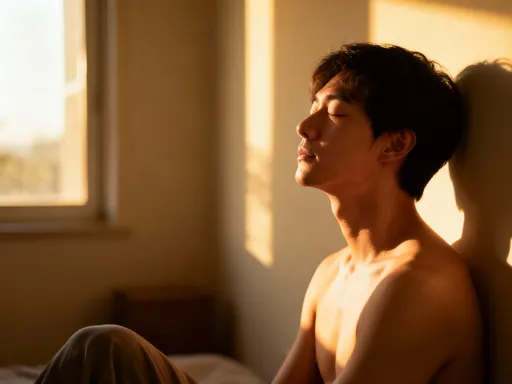
The first step is breathe. For two minutes each morning, I practice deep belly breathing. Lying on my back or sitting comfortably, I place one hand on my chest and one on my abdomen. I inhale slowly through the nose, letting the belly rise, then exhale fully through the mouth. This isn’t just relaxation—it’s a signal to the nervous system that safety has arrived. In TCM, this supports Lung Qi, which governs rhythm and resilience. Modern science confirms it activates the vagus nerve, lowering heart rate and reducing stress hormones.
The second step is mobilize. I spend four minutes moving through gentle stretches: neck rolls, shoulder shrugs, wrist and ankle circles, and a seated forward bend. I focus on moving slowly, with awareness, not speed. Each motion is an invitation to release tension, not a test of flexibility. I often do this while waiting for the kettle to boil or during a child’s morning routine. The goal is not to stretch deeply, but to awaken the body. In TCM, this helps move stagnant Qi and prevent the accumulation of “wind-damp” conditions, which manifest as heaviness and stiffness.
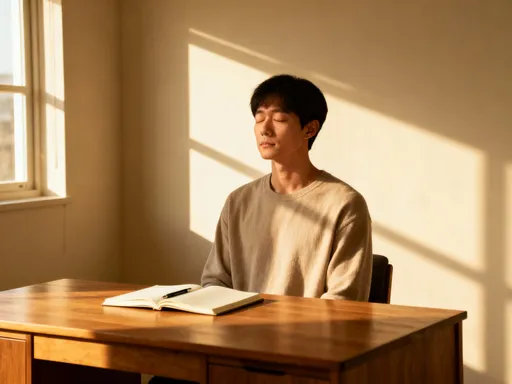
The third step is ground. Before bed, I take three minutes to reconnect with stillness. I sit quietly, feet flat on the floor, hands resting on my lap. I focus on my breath and the sensation of weight in my body. Sometimes I visualize roots extending from my feet into the earth, a metaphor used in both TCM and mindfulness practices to cultivate stability. This step supports Kidney Qi, which in TCM governs willpower, endurance, and deep rest. It’s not about emptying the mind, but about returning to the body. Over time, this short practice has improved my sleep quality and reduced nighttime restlessness.
Breath as the Invisible Therapist
If there’s one tool that bridges TCM and modern rehabilitation, it’s the breath. Diaphragmatic breathing—the slow, deep expansion of the belly during inhalation—is foundational in both traditions. In TCM, the breath is the primary vehicle for Qi. Shallow breathing, common during stress, restricts Qi flow and weakens Lung function. Deep breathing nourishes Qi, calms the Shen (spirit), and supports emotional balance.
From a physiological perspective, diaphragmatic breathing stimulates the vagus nerve, the main component of the parasympathetic nervous system. This reduces heart rate, lowers blood pressure, and improves digestion—functions often impaired by chronic stress. When the body stays in a state of low-grade alert, muscles remain tense, recovery slows, and sleep suffers. Conscious breathing is a direct way to signal safety and initiate repair.
A simple technique I use is the 4-6 breathing rhythm: inhale for four counts, exhale for six. The longer exhalation enhances vagal tone, deepening relaxation. I practice this after sitting for long periods, before meals, or when feeling overwhelmed. It takes less than a minute but resets my nervous system. In TCM, this rhythm supports the Metal element (Lungs and Large Intestine), which governs letting go—both physically and emotionally. By exhaling fully, we release what no longer serves us.
What makes breath so powerful is its accessibility. You can do it anywhere—driving, waiting in line, folding laundry. It doesn’t require time, money, or space. Yet its effects are cumulative. Women who practice mindful breathing daily often report feeling more centered, less reactive, and more resilient to daily stressors. It’s not a cure-all, but it’s a reliable anchor in a chaotic world.
Eating for Recovery, Not Just Energy
Nutrition is another pillar of TCM-based rehab, but not in the way modern diets suggest. This isn’t about restriction, counting calories, or chasing superfoods. It’s about eating in a way that supports internal balance, digestion, and tissue repair. In TCM, the Spleen and Stomach are responsible for transforming food into Qi and Blood. When digestion is weak, energy lags, muscles ache, and recovery slows.
One of the most effective shifts I made was moving toward warm, cooked meals—especially in the morning and evening. Cold foods and drinks, while refreshing, can impair digestive fire (known as Spleen Yang). Think of digestion like a stove: if you keep adding cold water, it takes longer to boil. Similarly, constant cold intake slows metabolic activity, leading to fatigue and dampness—a TCM term for sluggish fluid metabolism that manifests as bloating, heaviness, and joint discomfort.
Instead, I focus on warm oatmeal, congee (a rice porridge), soups, and stews. These are easy to digest and nourishing. I add warming herbs like ginger, which improves circulation and reduces inflammation, and dates, which tonify Blood and calm the mind. I don’t follow strict recipes—I listen to my body. On colder days, I crave more soups. On stressful days, I notice a need for sweet, grounding foods like squash or sweet potatoes, which support the Spleen.
Hydration is also key, but I prioritize warm or room-temperature water throughout the day. I avoid icy drinks, especially with meals, as they can shock the digestive system. I also practice mindful eating: sitting down, chewing thoroughly, and avoiding screens during meals. This simple act improves digestion and reduces the mental fatigue that comes from constant multitasking. In TCM, the Spleen governs thought and focus. When it’s overworked, both digestion and concentration suffer. By eating with presence, I support both body and mind.
When to Seek Help—And When to Just Breathe
While self-care is powerful, it’s not a substitute for professional medical care. There are times when pain is not a signal for adjustment, but a call for diagnosis. Sharp, localized pain, numbness, tingling, or persistent discomfort that worsens over time should always be evaluated by a healthcare provider. TCM itself emphasizes the importance of accurate pattern differentiation—knowing when a condition requires herbs, acupuncture, or referral to another system of care.
Red flags like sudden onset of severe headache, vision changes, chest discomfort, or loss of balance are not signs of Qi stagnation—they are medical emergencies. Similarly, chronic conditions like arthritis, fibromyalgia, or autoimmune disorders require integrated care. TCM can be a supportive modality, but it should complement, not replace, evidence-based treatment.
On the other hand, many daily aches—morning stiffness, tension headaches, low back tightness—respond well to gentle, consistent self-care. The challenge is patience. Healing is not linear. Some days you’ll feel better; others, old tensions may return. This is normal. TCM teaches that recovery is a return to rhythm, not a sprint to perfection. Self-compassion is part of the process. Instead of judging your body for not “keeping up,” you learn to listen, adjust, and support.
There’s wisdom in knowing when to act and when to simply be. Sometimes, the most healing thing you can do is pause, breathe, and let the body reset on its own. In a culture that values speed and productivity, this is a radical act. But for many women, it’s also the most sustainable path to lasting well-being.
True recovery isn’t about quick fixes—it’s about returning to balance through small, sustainable choices. TCM teaches us that the body heals best when supported, not forced. By integrating gentle movement, mindful breath, and daily rhythms, we’re not just rehabbing injuries—we’re rehabbing our lives. This path isn’t flashy, but it’s real. And sometimes, that’s exactly what we need.