Pouring Profits: How I Balanced My Portfolio with Wine
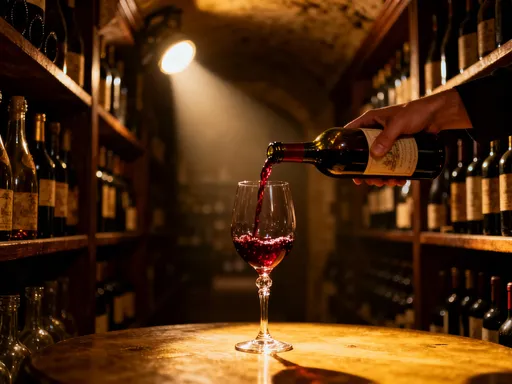
Ever wondered if your wine cellar could be doing more than just aging gracefully? I never thought mine was an investment—until I started seeing returns no stock could match. Wine investing isn’t about flashy gains; it’s patience, knowledge, and smart allocation. Let me walk you through how I turned a passion into a strategic part of my financial plan—without falling into the vintage trap. What began as a simple appreciation for fine dining evolved into a disciplined approach to wealth preservation. Unlike volatile equities or unpredictable real estate cycles, wine offers a unique blend of cultural value and financial resilience. Over time, I learned that a well-curated collection doesn’t just complement a lifestyle—it can also strengthen a balance sheet.
The Unexpected Asset Class: Why Wine Belongs in Your Portfolio
For decades, investors have relied on traditional assets like stocks, bonds, and real estate to grow and protect wealth. Yet, in recent years, a growing number of savvy individuals have begun to recognize the quiet power of an unconventional addition: fine wine. While it may seem unusual to classify a bottle of Cabernet Sauvignon as a financial instrument, the data supports its legitimacy. Fine wine has demonstrated consistent long-term appreciation, often moving independently of broader financial markets. This low correlation makes it a powerful diversification tool, especially during periods of economic uncertainty or inflationary pressure.
One of the most compelling reasons to consider wine as part of a balanced portfolio is its tangible nature. Unlike digital assets or paper securities, wine is a physical commodity—something you can see, store, and eventually enjoy. Its value is rooted in scarcity, craftsmanship, and demand from a global base of collectors and connoisseurs. When supply is limited and demand rises—particularly for vintages from top-tier producers and exceptional growing years—prices naturally increase. Historical trends show that certain wines have appreciated at double-digit annual rates over multi-decade horizons, rivaling or even exceeding returns from many conventional investments.
Moreover, wine has proven to be remarkably resilient during market downturns. For example, during the 2008 financial crisis, while stock markets plunged, the fine wine market remained relatively stable and rebounded quickly. According to the Liv-ex Fine Wine 100 Index, which tracks the performance of the world’s most sought-after wines, the index recovered to pre-crisis levels within two years, outpacing the S&P 500’s recovery timeline. This stability stems from the fact that wine collectors often view their purchases through a long-term lens, less swayed by short-term market sentiment than typical investors.
Another key advantage is inflation resistance. As the cost of living rises, so too does the price of premium wine. This is partly due to increased production costs—labor, land, and barrel expenses—but also because affluent consumers continue to seek out luxury goods as stores of value. Over time, the purchasing power of a well-chosen bottle tends to hold steady or improve, making it a natural hedge against currency devaluation. For families looking to preserve wealth across generations, this attribute is particularly valuable.
From Cork to Capital: How Wine Gains Value Over Time
Not every bottle of wine becomes more valuable with age. In fact, the vast majority are meant to be consumed within a few years of release. Only a small fraction—typically less than 1% of global production—possesses the structural integrity, provenance, and market demand necessary to appreciate significantly. Understanding what separates an investment-grade wine from an everyday pour is essential for any serious collector.
Several factors determine whether a wine will increase in value. First and foremost is vintage quality. Wines from outstanding growing seasons—those with ideal weather conditions, balanced ripeness, and low yields—tend to have greater longevity and complexity. These characteristics not only enhance drinking pleasure but also drive collector interest. Ratings from influential critics like Robert Parker or Jancis Robinson can amplify this effect, as high scores often signal future demand. A 100-point rating, for instance, can instantly elevate a wine’s status and market price.
Provenance—the documented history of a wine’s storage and ownership—is equally critical. Because wine is sensitive to temperature, humidity, and light, improper storage can ruin its condition and destroy its value. Bottles that have been kept in professional, climate-controlled facilities with verifiable records command higher prices than those with unclear histories. Authentication services have become increasingly important in the marketplace, helping buyers verify that a bottle is genuine and has not been tampered with. Counterfeit wine remains a concern, particularly for rare or expensive vintages, so due diligence is non-negotiable.
Geographic origin also plays a major role. Certain wine regions have established reputations for producing collectible wines that consistently appreciate. Bordeaux, particularly the First Growth châteaux like Lafite Rothschild and Margaux, has long been a cornerstone of fine wine investment. Burgundy, with its limited production and high demand for Domaine de la Romanée-Conti or Henri Jayer bottlings, often sees some of the highest price increases. In the New World, Napa Valley’s cult Cabernets—such as Screaming Eagle and Harlan Estate—have achieved legendary status and strong secondary market performance.
Time itself acts as a catalyst. As vintages mature and become scarcer, surviving bottles grow more desirable. A wine released in 2005 may have been available in abundance initially, but by 2030, many will have been consumed, leaving fewer bottles in circulation. This natural attrition increases scarcity and, consequently, value. The transformation from beverage to asset occurs gradually, rewarding those who exercise patience and foresight.
Allocating Wisely: Finding Your Wine Investment Sweet Spot
Integrating wine into a financial portfolio requires thoughtful planning. While the potential returns are attractive, overexposure can introduce unnecessary risk. The goal is not to replace traditional investments but to enhance them with a complementary asset. Determining the right allocation depends on individual financial goals, risk tolerance, and liquidity needs.
Financial advisors often recommend that alternative assets—such as wine, art, or precious metals—make up between 5% and 15% of a well-diversified portfolio. Within that range, the exact percentage should reflect personal circumstances. A conservative investor nearing retirement might allocate 5% to wine, focusing on blue-chip producers with proven track records. A younger investor with a longer time horizon and higher risk tolerance might opt for 10% or more, including emerging regions or lesser-known but promising estates.
It’s important to treat wine investment like any other financial decision—objectively and systematically. Emotional attachment to a particular label or region can cloud judgment. Just as one wouldn’t invest heavily in a single stock without research, wine purchases should be guided by data, market trends, and expert analysis. Setting a clear budget and sticking to it prevents impulsive buying and helps maintain discipline.
Another consideration is liquidity. Unlike stocks that can be sold instantly, wine typically requires time to find the right buyer, especially for rare bottles. Auctions, private sales, and brokered transactions can take weeks or months to complete. Therefore, investors should only allocate funds they do not need in the short term. This aligns with the long-term nature of wine appreciation, which usually unfolds over a decade or more.
Regular portfolio reviews are also advisable. Just as one monitors stock performance or bond yields, wine holdings should be assessed periodically. Market conditions change, and certain regions or producers may fall out of favor. Rebalancing—selling overvalued assets and reinvesting in undervalued ones—helps maintain optimal exposure and risk control. By approaching wine with the same rigor as other investments, individuals can maximize returns while minimizing avoidable losses.
Building a Diversified Wine Portfolio: Beyond the Hype Bottles
Many newcomers to wine investing make the mistake of chasing high-profile “trophy” bottles. While wines like Petrus or Domaine Leroy can deliver impressive returns, they come with premium prices and heightened volatility. Relying solely on these icons creates concentration risk—the danger of overexposure to a narrow segment of the market. A smarter approach is diversification: spreading investments across regions, styles, vintages, and price points to build resilience.
A balanced wine portfolio might include a mix of established classics and emerging stars. For instance, alongside Bordeaux’s First Growths, one might add high-quality vintages from Italy’s Piedmont region, known for Barolo and Barbaresco. Spanish Riojas from top producers like Vega Sicilia, or select Australian Shiraz from the Barossa Valley, can offer strong growth potential at more accessible price points. Including white wines such as white Burgundies from Chardonnay-rich appellations like Chablis or Meursault adds further variety and hedges against red wine market fluctuations.
Mid-tier wines often represent the sweet spot for long-term appreciation. These are bottles from respected producers that are not yet widely recognized on the global stage. As wine critics take notice and demand grows, their value can rise significantly. Because they start at lower price levels, the percentage gains can be greater than those of already-expensive icons. This dynamic is similar to investing in small-cap stocks with growth potential rather than overvalued market leaders.
Diversification also applies to vintages. Rather than buying only the most recent “great” year, investors should consider building positions across multiple vintages. This spreads risk in case a particular year underperforms expectations or if market tastes shift. It also allows for staggered sales, enabling investors to capitalize on favorable market conditions over time rather than being forced to sell everything at once.
Additionally, blending investment-grade wines with those intended for personal enjoyment can enhance the experience. Drinking a few bottles from a collection over the years provides insight into aging patterns and helps refine selection criteria. This hands-on engagement deepens knowledge and strengthens decision-making, ultimately improving investment outcomes.
The Hidden Costs and Risks: What Most Investors Overlook
While the rewards of wine investing can be substantial, the path is not without obstacles. Many beginners focus solely on potential gains while overlooking the practical and financial burdens that come with ownership. A realistic assessment of costs and risks is essential for sustainable success.
Storage is one of the most significant ongoing expenses. Fine wine must be kept in a stable environment—ideally at 55°F (13°C), with 70% humidity and no exposure to light or vibration. Professional wine storage facilities offer these conditions but charge annual fees based on space and service level. For larger collections, these costs can add up quickly. Alternatively, building a home cellar requires upfront investment in cooling systems, insulation, and racks, along with continued energy costs.
Insurance is another necessity. Given the value of fine wine, a loss due to fire, flood, or theft could be financially devastating. Standard homeowner’s policies often provide limited coverage for collectibles, so specialized wine insurance is recommended. Premiums vary based on location, collection value, and security measures, but they represent a prudent safeguard against unforeseen events.
Liquidity constraints are a common challenge. Unlike publicly traded securities, wine does not have a centralized exchange. Selling requires finding a buyer through auctions, brokers, or private networks, which can take time. Market demand fluctuates, and selling during a downturn may result in lower-than-expected returns. Additionally, transaction fees—such as auction commissions or broker markups—can reduce net proceeds, sometimes by 15% or more.
Counterfeit risk remains a persistent threat, especially in the secondary market. Fake labels, refilled bottles, and forged documentation have plagued the industry for years. While authentication services and blockchain-based verification are improving transparency, due diligence is still required. Buyers should work with reputable dealers, request provenance documentation, and, when possible, purchase directly from wineries or trusted auction houses.
Finally, emotional decision-making can undermine rational strategy. The allure of a favorite wine or a nostalgic vintage may lead to overpaying or holding onto bottles too long. Investors must separate personal sentiment from financial objectives, adhering to a predefined plan rather than reacting to fleeting desires. Discipline, not passion, should guide investment choices.
Accessing the Market: From Auctions to Funds—What Works Today
Getting started in wine investing no longer requires a sprawling cellar or insider connections. The market has evolved, offering multiple entry points for individuals at different levels of experience and capital. Understanding these options allows investors to choose the method that best fits their goals and resources.
One traditional route is direct purchase from wineries, retailers, or brokers. This gives full control over selection and storage but requires expertise and time. En primeur (or futures) buying—purchasing wine before it is bottled and released—is a popular strategy among serious collectors. It often allows access to limited allocations at lower prices, with the potential for significant appreciation upon release. However, it also carries risk, as the final quality and market reception are not yet known.
Auctions remain a major channel for acquiring and selling fine wine. Houses like Sotheby’s, Christie’s, and Acker Merrall & Condit host regular sales featuring rare and mature vintages. These platforms offer transparency, expert curation, and global reach. Bidders can access detailed provenance information and condition reports, reducing some of the risks associated with secondary market purchases. However, auction fees and buyer’s premiums can be substantial, so they must be factored into return calculations.
For those seeking a more hands-off approach, fine wine investment funds provide a structured alternative. These funds pool capital from multiple investors to build diversified portfolios managed by professionals. They handle acquisition, storage, insurance, and eventual sale, charging a management fee and performance-based incentive. This model offers convenience and expertise, making it ideal for individuals who lack the time or knowledge to manage a collection independently.
Exchange-traded instruments are emerging as another option, though still limited. Some platforms offer wine-backed securities or digital tokens representing fractional ownership in high-value bottles. Blockchain technology enhances traceability and authenticity, reducing fraud risk. While these innovations increase accessibility, they are still in early stages and may carry regulatory or liquidity uncertainties.
Regardless of the method chosen, due diligence is paramount. Investors should research providers, read terms carefully, and understand all associated costs. Starting small and gradually increasing exposure allows for learning and adjustment without significant risk.
Long-Term Strategy: Patience, Discipline, and Knowing When to Decant
At its core, wine investing is a long game. Unlike day trading or speculative ventures, it rewards patience, discipline, and a deep understanding of market dynamics. Success is not measured in months but in decades. The most effective investors approach their collections not as quick-profit schemes but as generational assets to be nurtured and preserved.
Holding period is a critical factor. Most fine wines require at least 10 to 15 years to reach peak value, with some continuing to appreciate for 30 years or more. Selling too early means leaving gains on the table; holding too long risks declining demand or deterioration in condition. Monitoring market trends, critic reviews, and auction results helps determine optimal exit points. Strategic timing—such as selling during periods of high demand or before a market correction—can significantly enhance returns.
Reinvestment strategies also play a role. Profits from matured bottles can be used to acquire new vintages, maintaining portfolio growth. This compounding effect, similar to dividend reinvestment in stocks, allows wealth to build steadily over time. Some investors choose to pass bottles down as part of an inheritance, combining financial and sentimental value.
Tax considerations should not be overlooked. Depending on jurisdiction, capital gains from wine sales may be subject to taxation. In some countries, collectibles are taxed at higher rates than securities. Consulting a financial advisor or tax professional ensures compliance and helps optimize after-tax returns. Estate planning is equally important, especially for valuable collections. Clear documentation, appraisals, and succession plans prevent disputes and ensure a smooth transfer to heirs.
Ultimately, the greatest benefit of wine investing may not be financial alone. It combines intellectual engagement, cultural appreciation, and personal enjoyment in a way few other assets can. The ability to taste the fruits of one’s labor—literally—adds a unique dimension to wealth management. When the time comes to open a bottle that has appreciated in value and character, the reward is both monetary and deeply human. In a world of digital transactions and abstract portfolios, wine offers a rare connection between value, tradition, and the simple pleasure of sharing something extraordinary.